

What Every Business Needs to Know About Third-Party Vendor Breaches
Cybersecurity conversations often focus on the protections inside your organization: strong passwords, multi-factor authentication, employee training, secure backups, and endpoint protection. Those things matter. A lot. But increasingly, organizations are discovering that even strong internal security is not always enough.
The reality is that many cyber incidents now start with a trusted third party.
Think about how many vendors your organization depends on every day. Your accounting software, document management platform, payroll provider, IT vendors, legal technology tools, cloud storage providers, communications platforms, benefits systems, and countless other applications all play a role in keeping operations running.
Now ask a harder question:
What happens if one of those vendors experiences a breach?
Even organizations with mature security practices can find themselves exposed through systems they do not directly control.
The Growing Risk of Third-Party Vendor Breaches
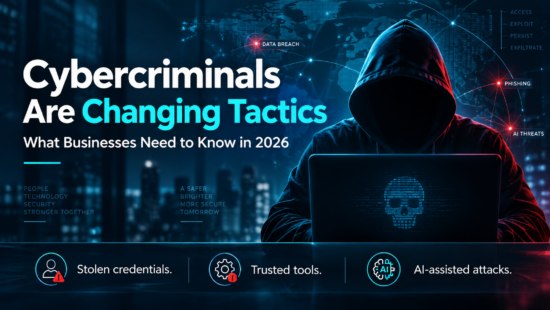
Over the last several years, third-party and supply chain attacks have become increasingly common. Instead of targeting individual organizations one at a time, cybercriminals often look for a more efficient route: compromising a trusted provider that serves hundreds or even thousands of customers.
Why?
Because one breach can create a ripple effect. If a software platform, managed provider, cloud service, or vendor is compromised, the downstream impact can be significant. Sensitive information may be exposed. Systems may go offline. Operations can be interrupted. In some cases, attackers may use vendor access as a stepping stone into customer environments.
This doesn’t mean organizations should stop working with vendors. That would be impossible. It does mean vendor security deserves far more attention than it often receives.
“But We Trust Our Vendors”
Trust matters. Verification matters more. Many organizations assume that because a vendor is well-known or widely used, security is already handled. Unfortunately, recent headlines have shown that size and reputation do not guarantee protection.
A trusted vendor may still have:
- Weak access controls
- Delayed software patching
- Poor employee security awareness
- Inadequate monitoring
- Overly broad access into customer systems
Sometimesm the issue is not malicious intent or negligence. Even strong organizations can experience incidents. The difference is often how prepared they are to detect, contain, and communicate during an event. That’s why organizations should think beyond trust and begin asking practical questions.
Questions Worth Asking Your Vendors
You don’t need to become a cybersecurity expert overnight. But there are several simple questions that can quickly reveal how seriously a vendor approaches security.
For example:
Do they use multi-factor authentication internally?
If a vendor protects your sensitive information, strong identity protection should be standard.
What happens if they experience a breach?
Is there a documented response process? How quickly will customers be notified?
Who has access to your environment or data?
Many organizations are surprised to discover how much access vendors retain after implementation.
Do they complete regular security reviews or audits?
Independent assessments, compliance standards, or documented controls can provide additional confidence.
Are backups and recovery plans in place?
If systems go down, how quickly can service be restored?
The goal is not perfection. The goal is understanding risk.
Internal Security Still Matters
Vendor risk management works best when paired with strong internal protections. For example, even if a third-party account is compromised, organizations can reduce damage by limiting permissions, requiring multi-factor authentication, segmenting access, monitoring unusual activity, and maintaining secure backups.
Think of it as layers of protection. You may not be able to prevent every vendor incident, but you can reduce how much impact it has on your organization.
A Practical Shift in Thinking
Cybersecurity is changing. It’s no longer only about keeping attackers outside your walls. Increasingly, it is about understanding the broader ecosystem of tools, providers, and partners that support your business. The strongest organizations today are not necessarily the ones spending the most money. They’re the ones asking better questions, reviewing risk proactively, and avoiding blind trust.
Need help evaluating technology risk across your organization and vendors? Orion Networks helps organizations strengthen cybersecurity, assess vulnerabilities, and reduce operational risk with practical, business-focused IT guidance.